


Physical Therapy Can Help Frozen Shoulders!
Unfreeze Your Shoulder, Reclaim Your Active Life
Have you ever felt like your shoulder is “stuck”? Does reaching overhead or behind your back cause pain and stiffness? Frozen shoulder, also known as adhesive capsulitis, can limit daily activities and reduce quality of life. Fortunately, physical therapy offers a proven path to restoring shoulder mobility and function.
The Phases Of Frozen Shoulder
Frozen shoulder is a condition characterized by pain and stiffness in the shoulder joint. It typically progresses through three distinct phases:
Freezing Phase
This initial phase involves gradual onset of pain and progressive loss of shoulder range of motion. Even simple tasks like getting dressed or brushing your hair can become challenging.
Frozen Phase
In this phase, pain may subside, but stiffness persists, severely limiting shoulder movement.
Thawing Phase
The final phase involves a gradual improvement in range of motion and function. However, full recovery can take months or even years without proper intervention.
The Risk Factors Of Frozen Shoulder
The exact causes of frozen shoulder remain unclear, but certain factors increase your risk.
Age
It’s most common in people between 40 and 60 years old.
Gender
Women are more likely to develop frozen shoulder than men.
Diabetes
People with diabetes have a higher risk.
Previous Shoulder Injury or Surgery
Immobilization after an injury or surgery can increase the risk.
Other Health Conditions
Thyroid problems, Parkinson’s disease, and cardiovascular disease are also associated with increased risk.
How Physical Therapy Can Help
Our physical therapists are movement experts who can play a critical role in managing frozen shoulder and guiding you towards recovery.
Manual Therapy
Skilled hands-on techniques can gently mobilize the shoulder joint, improve joint capsule movement, and reduce pain.
Mobility Exercises
Targeted exercises and techniques help improve range of motion in all directions, gradually restoring your ability to reach, lift, and rotate your arm.
Strengthening Exercises
Strengthening the muscles surrounding the shoulder joint enhances stability and supports improved function.
Return to Activity
We’ll guide you through a safe and progressive return to your desired activities, whether it’s playing tennis, gardening, or simply reaching for that top shelf.
Physical therapy is effective in treating frozen shoulder and preventing its recurrence by addressing underlying muscle imbalances, improving posture, and educating you on proper body mechanics.

Treatment For Your Frozen Shoulder At Atrium Physical Therapy
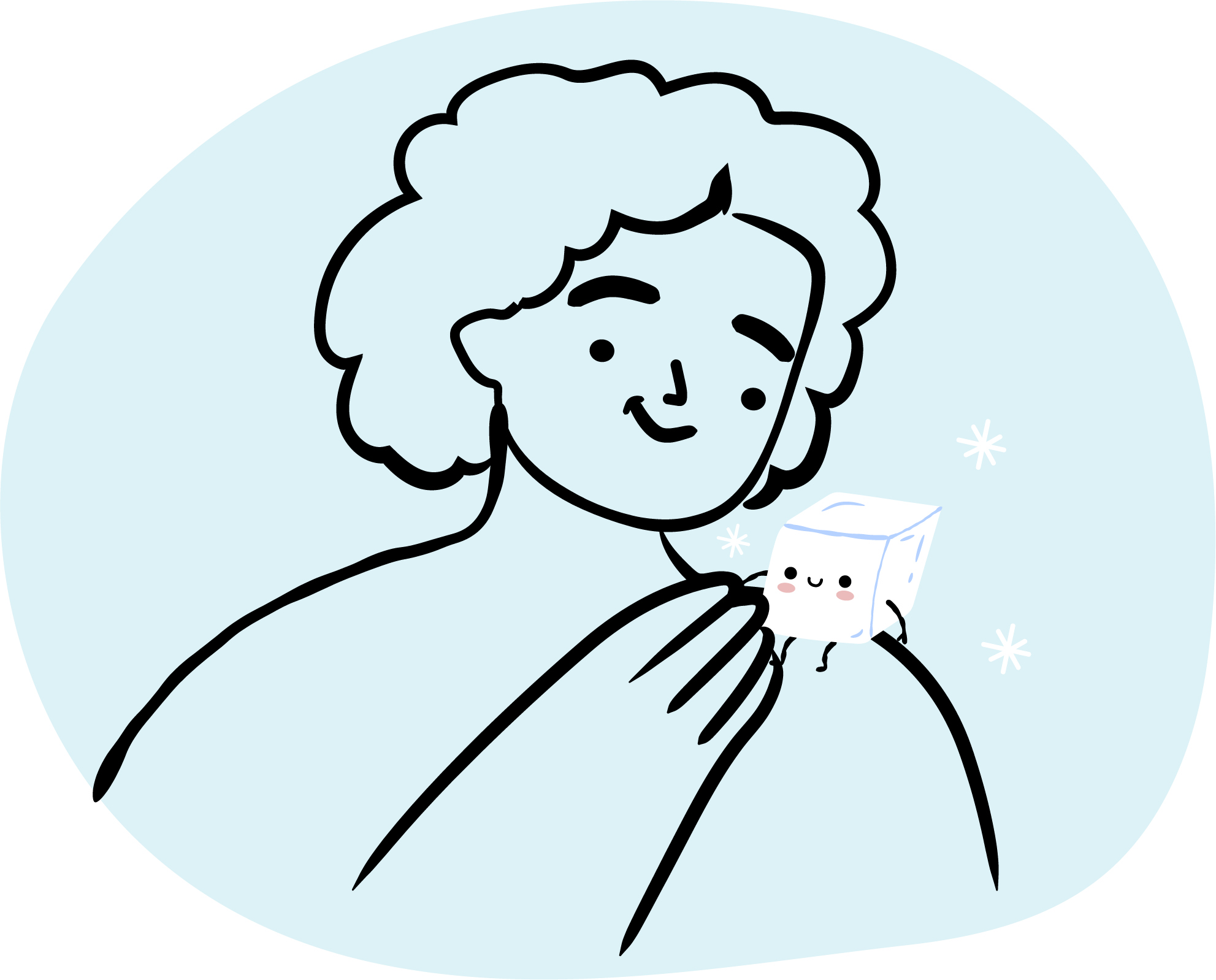
Frozen shoulder can significantly limit the ability to perform simple tasks and participate in activities you enjoy. Early intervention is key to a successful, long-term recovery. The sooner you seek treatment, the faster you can break free from the icy grip of frozen shoulder. Take the first step today and schedule an appointment with our experienced physical therapy team. We’ll work closely with you to provide personalized care and support every step of the way.
Don’t let frozen shoulder hold you back. Reclaim your freedom of movement and rediscover the joy of an active life. Call us now and let’s get started on your recovery!
Get Back to Feeling Your Best
Return to Atrium Physical Therapy and Let’s Continue Your Journey to Wellness Together. Schedule Your Appointment Now!


Enjoy This Seasonal Recipe!
Easy Valentine’s Day Champagne Cupcakes
- Cooking spray
- 1 (18.25 oz) white cake mix
- 1 1/4 cups Champagne/sparkling white wine at room temperature
- 1/3 cup vegetable oil
- 3 eggs
- 1/2 cup butter, softened
- 4 cups confectioners’ sugar
- 1/4 cup Champagne or other sparkling white wine at room temperature
Preheat oven to 350 degrees F (175 degrees C). Spray 24 muffin cups with cooking spray. Mix cake mix and 1 1/4 cup Champagne in a large mixing bowl; stir in vegetable oil and eggs. Beat batter with an electric mixer on medium speed for 2 minutes. Pour batter into the prepared muffin cups, filling them 3/4 full. Bake cupcakes in the preheated oven until a toothpick inserted into the middle of a cupcake comes out clean, about 20 minutes. Cool cupcakes in pans for 10 minutes before removing to finish cooling, about 30 more minutes. Mix butter, 1 cup confectioners’ sugar, 1/4 cup Champagne, and vanilla extract in a bowl. Stir in remaining confectioners’ sugar, 1 cup at a time, until frosting is smooth and creamy. Spread on cooled cupcakes.
Exercise of the Month
Bilateral Horizontal Shoulder Abduction with Band
Start by standing up straight and holding one end of a resistance band in each hand. Raise your arms straight out in front of you. Pull your shoulder blades together. Spread your arms straight out to your sides, pulling the band apart. Once you have reached your maximal range of motion, let your arms come back in.

Follow Us on Social Media!

Follow the buttons below to find Atrium Physical Therapy on your favorite social media sites and stay up to date with what happens around our clinic!

How to Grocery Shop for Healthy Options
When it comes to grocery shopping, there are many options. If you find your weekly trip to the grocery store overwhelming, you’ve come to the right place.
The best way to start your grocery shopping is by thinking about your preferences and needs. For example, do you want to lose weight? How many people are you feeding? Once you’ve determined these factors, make a list of everything you think you may need.
Keep in mind that a diet high in protein and low in carbohydrates has been proven to be the most effective for weight loss. Protein is a building block of muscle, and it stimulates the hormone that helps you feel full. Protein also helps you maintain muscle mass during weight loss, which can help you maintain your metabolism.
The most important thing to remember is that you should be eating a balanced diet. This means that you should avoid overeating any one type of food.
For example, if you are overeating sugar or processed food, it might be time to change your diet. When shopping in the aisles, try to avoid ultra-processed foods, foods with high sugar content, or excessive amounts of red meat.
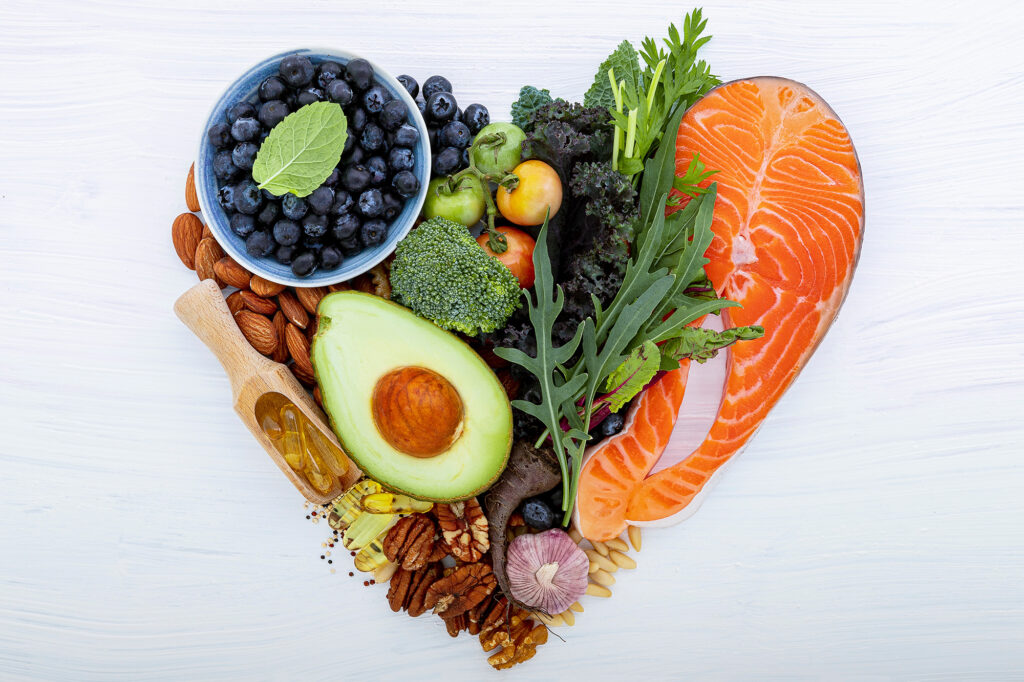
Here is an example of what a healthy grocery list may look like:
- Fruits: apples, blueberries, clementines, grapefruits, and avocados
- Vegetables: broccoli, asparagus, onions, spinach, peppers, zucchini, sweet potatoes, baby red potatoes, and butternut squash
- Beans and grains: chickpeas, brown rice, black beans, and quinoa
- Proteins: eggs, salmon, and skin-on chicken breast
- Nuts and seeds: roasted almonds, pumpkin seeds, and natural peanut butter
- Dairy and nondairy substitutes: oat milk, coconut milk, feta cheese, and full fat Greek yogurt
Meet Our Team

Dennis L. Prickett
PT, Owner, Chief of Operations

Anthony Apodaca
PTA, Clinic Lead

Jacob Robles
PT Tech

Anna Marie Robles
Customer Service Representative

Monique Montoya
Customer Service Representative

Leticia Guaderrama
Patient Account Specialist

Philip Montoya
Office Assistant

TJ Mallari
PT, DPT