

Sprains vs Strains vs Repetitive Stress Injuries
From Ankles to Knees to Wrists, Learn How To Tell Which Injury You Have
The majority of us have experienced that twinge of pain after an awkward movement or a day of repetitive tasks. Maybe you twisted your ankle during a hike, felt a sharp pull in your back after lifting something heavy, or noticed a dull ache in your wrist after hours of typing. No matter your injury, our physical therapists will take the time to explain the type of injury you have and show you how physical therapy can help you recover stronger than ever.
Strain vs. Sprain vs. Repetitive Stress Injuries
When it comes to sprains, strains, and repetitive stress injuries, it can be difficult to understand the differences between each one – but we’re here to help!
Sprains
- A sprain is an injury to a ligament, the tough bands of tissue that connect bones to each other at a joint.
- Sprains typically occur when a joint is forced beyond its normal range of motion, causing the ligament to stretch or tear.
- Common symptoms of a sprain include pain, swelling, bruising, and difficulty moving the affected joint.
- Ankle sprains are the most common type of sprain, often caused by twisting or rolling the ankle.
Strains
- A strain is an injury to a muscle or tendon, the fibrous cords that attach muscles to bones.
- Strains usually happen when a muscle is overstretched or overworked, causing the muscle fibers or tendon to tear.
- Symptoms of a strain can include pain, muscle tightness, muscle weakness, and spasms.
- Back strains are a frequent type of strain, often caused by improper lifting or sudden movements.
Repetitive Stress Injuries (RSIs)
- RSIs are a group of disorders that occur from repeated movements or overuse of a particular muscle, tendon, or nerve.
- RSIs develop gradually over time, and symptoms can worsen if the repetitive activity continues.
- Common symptoms of RSIs include pain, numbness, tingling, weakness, and loss of function in the affected area.
- Carpal tunnel syndrome, tendonitis, and tennis elbow are examples of RSIs.
Causes and Risk Factors
Several factors can increase your risk of experiencing a sprain, strain, or RSI:
- Sprains: Participating in sports, wearing improper footwear, and having a history of ankle sprains can increase your risk.
- Strains: Overexertion, poor posture, and muscle fatigue can contribute to strains.
- RSIs: Performing repetitive tasks, using improper techniques, and having poor ergonomics in the workplace can lead to RSIs.
Injury Treatment At Atrium Physical Therapy
If you’re experiencing pain or discomfort from a suspected sprain, strain, or repetitive stress injury, don’t wait any longer to begin treatment. Our experienced physical therapists can help you get back to doing the things you love. We’ll create a personalized treatment plan to address your specific needs, including pain management, exercises to improve mobility and strength, and techniques to prevent future injuries.
Call us today to schedule an appointment and get back to your active lifestyle stronger than ever!

Get Back to Feeling Your Best
Return to Atrium Physical Therapy and Let’s Continue Your Journey to Wellness Together. Schedule Your Appointment Now!

April Time Word Scramble
nnbsieu
hpese
ialpr olsof
ccaohtoel
ircnatoa
lulaembr
Answer Key
bunnies
sheep
april fools
chocolate
raincoat
umbrella

Enjoy This Seasonal Recipe!
Spring Asparagus Risotto
- 4 cups (1-inch) sliced asparagus (about 1 1/2 pounds), divided
- 3 cups fat-free, low-sodium chicken broth
- 1 1/2 cups water
- 1 tbsp butter
- 2 cups chopped onion (about 1 large)
- 2 cups uncooked Arborio or other medium-grain rice
- 1/2 cup dry white wine
- 1 cup (4 ounces) grated fresh Parmigiano-Reggiano cheese, divided
- 1/4 cup heavy whipping cream
- 1 tsp salt
- 1/2 tsp freshly ground black pepper
Place 1 cup asparagus and 1 cup broth in a blender; puree until smooth. Combine puree, remaining 2 cups broth, and 1 1/2 cups water in a medium saucepan; bring to a simmer (do not boil). Keep warm over low heat. Melt butter in a large heavy saucepan over medium heat. Add onion to pan; cook 8 minutes or until tender, stirring occasionally. Stir in rice; cook 1 minute, stirring constantly. Stir in wine; cook 2 minutes or until liquid is nearly absorbed, stirring constantly. Add 1/2 cup broth mixture; cook 2 minutes or until the liquid is nearly absorbed, stirring constantly. Add remaining puree mixture, 1/2 cup at a time, stirring constantly until each portion of broth is absorbed before adding the next (about 30 minutes total). Stir in remaining 3 cups asparagus; cook 2 minutes. Stir in 3/4 cup cheese, cream, salt, and pepper. Transfer risotto to a bowl. Serve with remaining 1/4 cup cheese.
Exercise of the Month
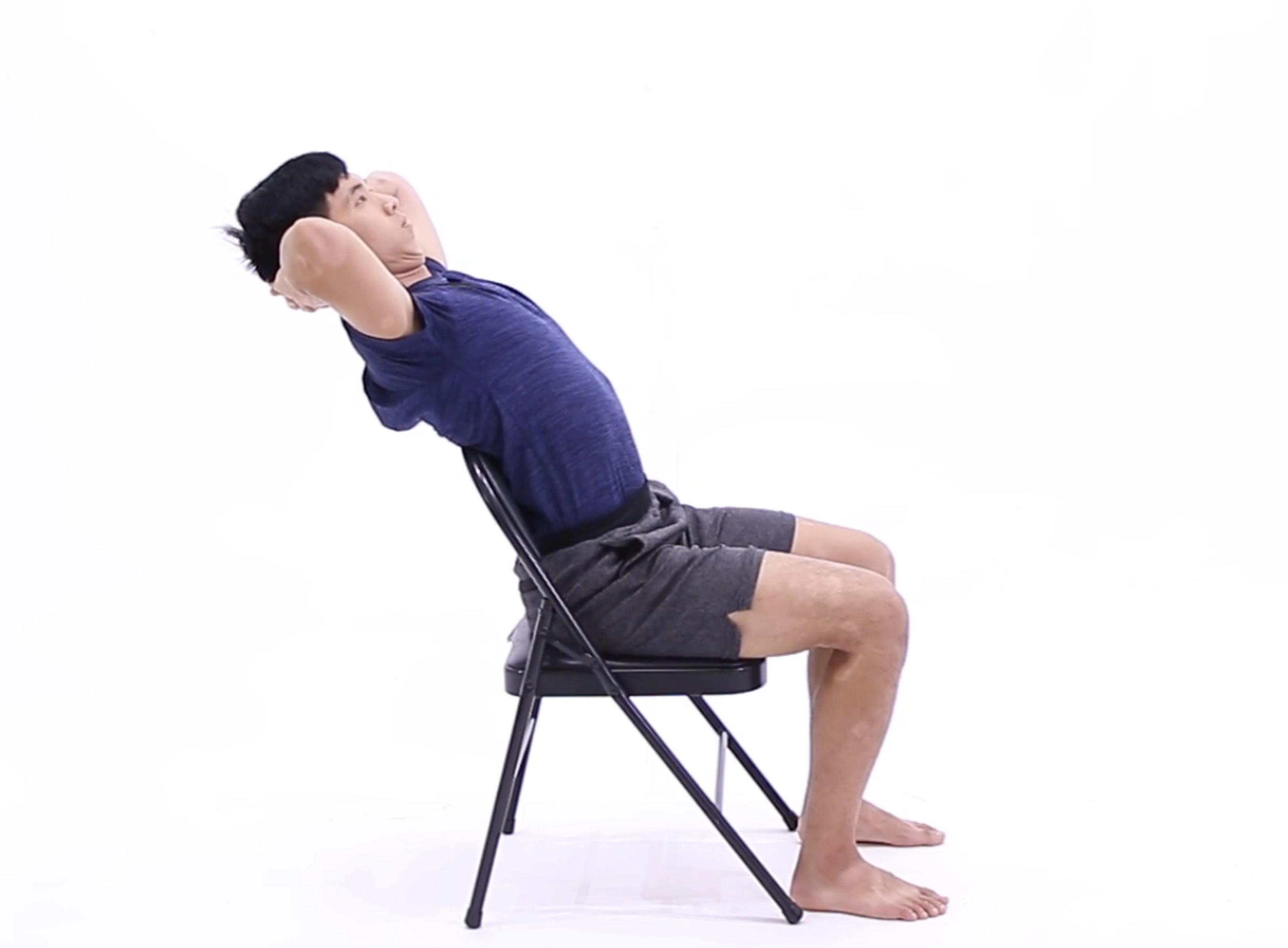
Seated Thoracic Extension With Chin Tuck
3 Sets | 5 Reps | 5 Seconds Hold
Sit up straight in a chair with your back against the back rest. Place your hands behind your head and tuck your chin. Slowly extend your back over the back of the chair with the top edge of the chair just under your shoulder blades. Hold then relax.


Follow Us on Social Media!

Follow the buttons below to find Atrium Physical Therapy on your favorite social media sites and stay up to date with what happens around our clinic!
Staff Spotlight: Hector Hernandez, PTA
Hector was born and raised in the Las Cruces, NM area. His passion for physical therapy and rehab came about during his military service in the US Navy. As a medic in the US Navy, he had the opportunity to specialize in the physical therapy field where he treated Active Duty Service members and retirees from every branch including their dependents. Hector received his PTA degree from Lake Superior College in Duluth, MN through a PTA Military Bridge Program in 2016, while he was stationed in Rota, Spain. Hector joined the Atrium Family in June 2018. Hector enjoys spending time with his family, being outdoors, and staying fit to be able to continue to help the community through rehab.


3 Natural Ways to Beat Spring Allergies
It’s finally spring! For most people, this means warm weather, getting outside, and appreciating the blooming flowers and beauty of nature. However, if you have allergies, you might be dreading all of the above.
Don’t give up on the idea of enjoying the season just yet. Did you know there are several natural ways you can help lessen the severity of your allergies? Here are three ways you can start fighting off your allergies, beginning today!
1. Manage stress
Were you aware that stress hormones can wreak havoc on your body, even weakening the immune system? This in turn can worsen seasonal allergies.
A physical therapist can help you to manage your stress by prescribing you with an individualized exercise routine that fits with your lifestyle and personal fitness goals. Other therapeutic methods, such as massage therapy, acupuncture, and aquatic therapy, also have stress relieving properties.
2. Avoid unhealthy foods and drinks
Toxins in the body frequently aggravate allergies. Allergies can flare up when the liver is working overtime metabolizing our stress, medications, alcohol, and processed foods. Therefore, avoiding fatty foods and alcohol can help lessen your allergy symptoms.
3. Clean the house
This one sounds obvious, but it can do wonders to help mitigate allergies! Many allergy triggers can be removed from your home with regular cleaning, which can help relieve your pesky symptoms.
For example, something as simple as changing your pillowcases on a regular basis can improve your symptoms since allergens can transfer from your hair to your pillow at night.
To discover more natural methods for allergy relief, contact Atrium Physical Therapy today!
Meet Our Team

Dennis L. Prickett
PT, Owner, Chief of Operations

Anthony Apodaca
PTA, Clinic Lead

Jacob Robles
PT Tech

Anna Marie Robles
Customer Service Representative

Monique Montoya
Customer Service Representative

Leticia Guaderrama
Patient Account Specialist

Philip Montoya
Office Assistant

TJ Mallari
PT, DPT