


Strength Training Helps You with Osteoporosis
Create Your Own Path To Stronger Bones
Do you ever find yourself worrying about your bone health? Perhaps a family member has been diagnosed with osteoporosis, or maybe you’ve noticed a slight decrease in your height or stooped-over posture. It’s natural to feel concerned, but the good news is that there are effective ways to manage and even improve bone health. One such method that is gaining increasing recognition is strength training with physical therapy.
The Connection Between Osteoporosis and Strength Training
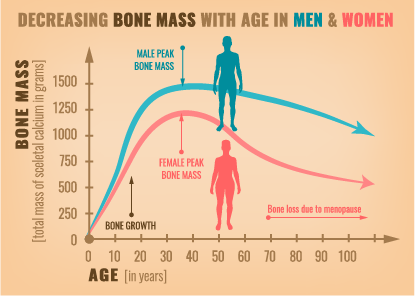
Osteoporosis is a condition characterized by decreased bone mass and density, leading to increased bone fragility and a higher risk of fractures. It affects millions of people worldwide, particularly women after menopause.
Causes of Osteoporosis
The causes of osteoporosis are complex and multifaceted and often include the following:
- Hormonal Changes
- Age
- Genetics
- Gender
Risk Factors
- Family history of osteoporosis
- Low calcium intake
- Vitamin D deficiency
- Smoking
- Excessive alcohol consumption
- Sedentary lifestyle
Symptoms
Osteoporosis can remain asymptomatic until a fracture occurs. However, there may be subtle signs, such as:
- Gradual height loss
- Stooped posture
- Increased susceptibility to fractures, even from minor falls
If you suspect you may have osteoporosis or are at risk, it’s crucial to seek medical evaluation and guidance.
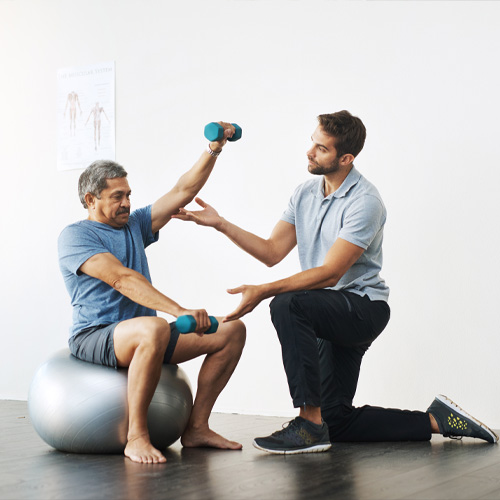
Strength training with physical therapy techniques involves using weights, resistance bands, or body weight to challenge your muscles and bones. When you engage in strength training exercises, you create a mechanical load on your bones, stimulating bone cells called osteoblasts to build new bone tissue, which increases bone mass and strength. Furthermore, strength training improves muscle mass and balance, which helps reduce the risk of falls and fractures.
Personalized Strength Training Program For Osteoporosis
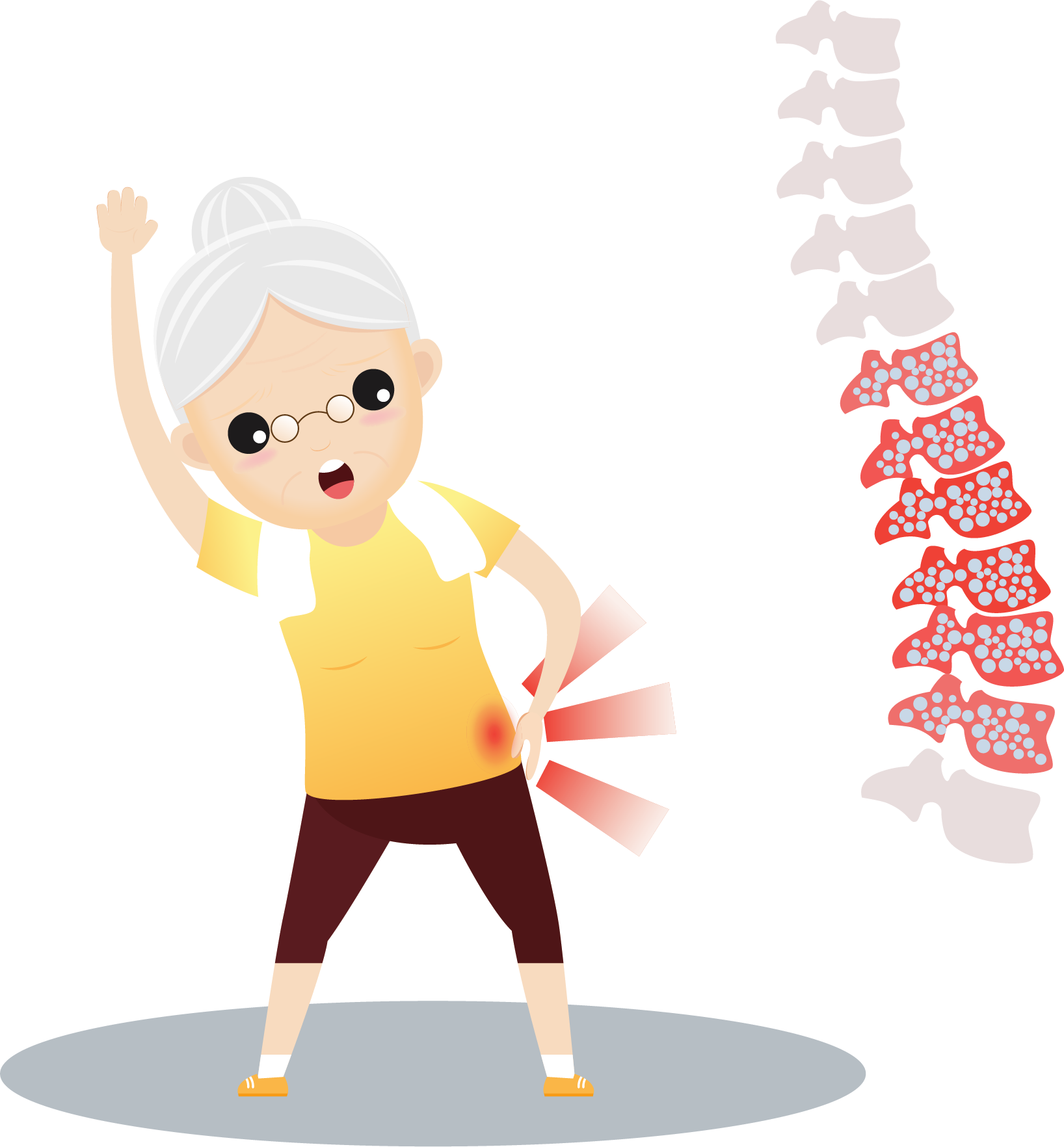
A 75-year-old woman came to our clinic after being diagnosed with osteoporosis. She had a noticeable decrease in her height and a family history of osteoporosis. She was anxious about the possibility of fractures and falls and was eager to find ways to improve her bone health.
Our physical therapists worked with her to develop a comprehensive strength training program. She started with low-impact exercises using resistance bands and gradually progressed to using weights and bodyweight exercises. Her program focused on strengthening her hips, spine, and core muscles, improving her posture, and increasing her overall strength and balance.
Over time, she noticed significant improvements in her strength and posture and also felt more confident and empowered. Strength training helped to improve her physical health and left a positive impact on her mental and emotional well-being.
Strength Training For Osteoporosis at Atrium Physical Therapy
Incorporating strength training into a physical therapy program with our dedicated professionals is a safe and effective way to manage osteoporosis. We will conduct a thorough assessment, considering your medical history, current symptoms, and fitness level. Then we’ll design a personalized exercise program that targets specific muscle groups, focuses on proper form and technique, and gradually progresses in intensity as your strength and endurance improve.
If you or someone you know is struggling with osteoporosis, don’t wait any longer to schedule the first appointment. Our team of experienced physical therapists is here to help you enhance your well-being with stronger bones and improved mobility through a personalized treatment plan that addresses your specific needs and goals. Remember, it’s never too late to take control of your bone health. Call us today to schedule an appointment and start building a stronger, healthier you!
Get Back to Feeling Your Best
Return to Atrium Physical Therapy and Let’s Continue Your Journey to Wellness Together. Schedule Your Appointment Now!

Feel Better by Eating Better!
New Year’s Black-Eyed Peas For Good Luck
- 1 pound dry black-eyed peas
- 2 tablespoons olive oil
- 1 large yellow onion, diced
- 2 cloves garlic, minced
- 8 cups water
- 2 (32 ounce) cartons chicken broth
- 1 pound smoked ham hocks
- 1 (14.5 ounce) can diced tomatoes
- 5 pepperoncini peppers
- ½ teaspoon garlic powder
- ¼ teaspoon ground thyme
- 1 bay leaf
- salt and pepper to taste
Place the black-eyed peas into a large container and cover with several inches of cool water; let soak, 8 hours to overnight. Drain and rinse before using. Heat oil in a large stockpot over medium heat. Add onion and garlic; cook and stir until onion becomes translucent, about 5 minutes. Pour in 8 cups of water and chicken broth; bring to a boil, then reduce heat to a simmer. Stir in soaked black-eyed peas, ham hocks, tomatoes, pepperoncini, bay leaf, garlic powder, thyme, salt, and pepper. Cover and simmer until peas are tender, ham meat is falling off the bones, and the broth is thickened, about 3 hours.
Exercise of the Month
Knee Gapping
Start by sitting with your back against a wall and the leg you are not working straight out in front of you. Bend the knee you want to work and place a rolled towel right under the back of your knee. Place both hands around your shin and pull your knee toward your chest, keeping your foot on the ground. Slowly relax your knee back out. 3 sets, 10 reps.


Follow Us on Social Media!

Follow the buttons below to find Atrium Physical Therapy on your favorite social media sites and stay up to date with what happens around our clinic!
Reaching Your Fitness Goals Can Brighten Your Mood!
Seasonal Affective Disorder (SAD)

Has your mood darkened with the shorter days and longer nights of fall and winter? If you’re like many people, getting less sunshine and being less active this time of year can contribute to feelings of sadness and apathy that may be associated with Seasonal Affective Disorder (or SAD). The good news is that regular exercise can help boost your mood and guard against symptoms of seasonal affective disorder.
Exercise And Seasonal Affective Disorder.
According to the Centers for Disease Control (CDC) and Prevention, 14 percent of people in the United States experience SAD (also known as seasonal depression). But research shows that many people can manage or avoid SAD with 30 to 60 minutes of exercise and 20 minutes of exposure to sunlight each day. In addition, data shows exercisers have lower rates of recurrent depression compared with study participants who do not exercise. These figures emphasize the importance of exercising throughout the winter, especially if your goal is health and well-being as well as a trim waistline.
Try these three tips for maintaining your winter exercise routine this winter:
1. Arrange your schedule to start and end later or earlier so that you can exercise outside after sunrise or before sundown.
2. Get outside to walk, jog, run, snowshoe, or cross country ski. The exposure to sunlight can help increase your vitamin D levels and elevate your mood.
3. Enlist the services of a personal fitness trainer. Many people find meeting with a personal fitness trainer helps them stick with their exercise routine. Personal fitness trainers also can help vary workouts to keep them interesting and effective.
Get Professional Help For SAD If You Need It
Although lack of sunlight and activity often are culprits of seasonal affective disorder, genetics and hormonal changes also may contribute to the condition. If exercise alone doesn’t improve your mood and your sadness persists for more than 2 weeks, schedule an appointment with one of our physical therapists. We will provide you with techniques in addition to exercise to manage stress.


Meet Our Team

Dennis L. Prickett
PT, Owner, Chief of Operations

Anthony Apodaca
PTA, Clinic Lead

Jacob Robles
PT Tech

Anna Marie Robles
Customer Service Representative

Monique Montoya
Customer Service Representative

Leticia Guaderrama
Patient Account Specialist

Philip Montoya
Office Assistant

TJ Mallari
PT, DPT