

The Benefits of Pre-hab and Post-Op Therapy
Bounce Back Faster With PT Before And After Surgery
Have you ever wondered how to ensure a smooth recovery after surgery? Do you want to minimize pain and get back to your normal activities as quickly as possible? If you answered yes to either of these questions, then pre-hab and post-op physical therapy may be just what you need.
All About Pre-habilitation
Think of pre-hab as preparing your body for the challenges of surgery and recovery. Just like an athlete trains before a big game, pre-hab prepares your body for the “game” of surgery.
Benefits of Pre-hab
- Improves strength and mobility, making surgery and recovery easier.
- Reduces pain and swelling before surgery.
- Can help shorten hospital stays.
- Decreases the risk of complications.
- Helps you understand what to expect after surgery, reducing anxiety.
What To Expect in Pre-hab
- Manual therapy to improve circulation and help manage inflammation and reduce pain.
- Exercises to improve range of motion, strength, and overall mobility.
- Education on after-surgery pain management and proper surgical site care.
- Breathing exercises and relaxation techniques to manage anxiety.
Post-op Physical Therapy
Post-op physical therapy is all about rehabilitation and restoring your body to its optimal function after surgery.
Benefits of Post-op Physical Therapy
- Reduces pain and inflammation.
- Improves range of motion and overall mobility.
- Strengthens muscles and improves overall function.
- Prevents complications like blood clots and infections
- Helps you regain independence and return to your daily activities.
Common Surgeries Where Pre-hab and Post-op PT Have Great Results
Joint Replacements
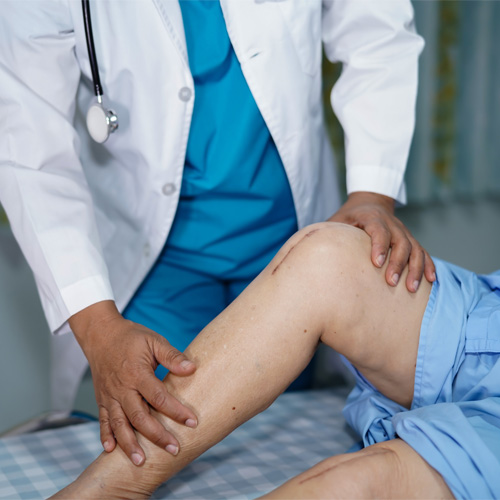
Pre-hab strengthens the muscles surrounding the joint, making surgery and recovery smoother. Post-op PT helps regain range of motion and strength, allowing you to return to your favorite activities.
Spinal Surgeries
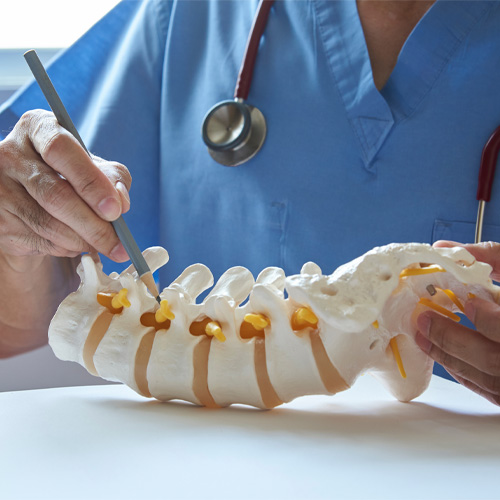
Pre-hab focuses on core strengthening and flexibility, crucial for spinal stability. Post-op PT helps you regain mobility and strength, reducing pain and improving function.
ACL Reconstruction
Pre-hab reduces or eliminates swelling, improves range of motion, and strengthens the muscles surrounding the knee, preparing it for surgery. Post-op PT is essential for regaining range of motion, strength, and stability, allowing you to return to activities.

Rotator Cuff Repair
Pre-hab focuses on shoulder mobility and strength. Post-op PT is vital for regaining range of motion, strength, and function, allowing you to return to overhead activities.

Pre-hab and Post-op PT With Atrium Physical Therapy
Your first pre-op appointment is an important step toward a successful surgery and recovery. At your first visit, our experienced physical therapists will conduct a thorough evaluation of your current physical condition, including your strength, injury, range of motion, and any existing limitations. We’ll discuss your surgical procedure and recovery goals to create a personalized pre-hab plan tailored to your specific needs. Our goal is to empower you with the knowledge and tools you need to optimize your physical preparedness for surgery, setting the stage for a smoother and faster recovery.
Your recovery starts before surgery. Invest in pre-hab and post-op PT, and get back to doing what you love sooner. Contact us today to schedule an appointment!

Get Back to Feeling Your Best
Return to Atrium Physical Therapy and Let’s Continue Your Journey to Wellness Together. Schedule Your Appointment Now!


Enjoy This Seasonal Recipe!
Slow Cooker Irish Stew
- 1 tablespoon olive oil, or to taste
- 2 pounds beef chuck roast
- 3 russet potatoes, diced
- 1 pound baby carrots
- 1 large onion, chopped
- 4 cloves garlic, minced
- 1 (16 ounce) bottle stout beer
- 1 (6 ounce) can tomato paste
- 1 cup beef broth
- 1 tablespoon garlic powder
- 1 tablespoon onion powder
- 1 tablespoon smoked paprika
- salt and ground black pepper
Heat olive oil in a skillet over medium heat. Add beef; cook until evenly browned, 3 to 5 minutes per side. Place potatoes, carrots, onion, and garlic in a slow cooker; top with browned beef. Pour 1/4 cup beer into the same skillet and bring to a boil while scraping the browned bits of beef off of the bottom of the skillet with a wooden spoon. Stir in tomato paste; cook until thickened, about 5 minutes. Pour beer mixture into slow cooker. Pour beef broth, remaining beer, garlic powder, onion powder, paprika, salt, and pepper into slow cooker. Cook on Low for 8 hours.
Exercise of the Month
Single Leg Squat
Stand facing away from a chair and raise one leg straight out in front of you. Slowly bend at your hip and knee to lower your butt down until it touches the edge of the chair. Then, press through your heel to stand back up. Make sure to keep your other leg raised off the ground and to keep your abdominals braced. 3 sets, 10 reps, hold.


Follow Us on Social Media!

Follow the buttons below to find Atrium Physical Therapy on your favorite social media sites and stay up to date with what happens around our clinic!
Mental and Emotional Preparation for Surgery
Calming The Mind, Easing The Journey
Even when it’s planned and necessary, surgery can trigger a range of emotions. Anxiety, fear, and uncertainty are common companions on the path to the operating room. Acknowledging and addressing the mental and emotional aspects of surgery can significantly impact your overall experience and recovery.
The Emotional Landscape Of Surgery
It’s perfectly normal to feel anxious about the unknowns of surgery. Concerns about the procedure itself, potential complications, pain management, and the impact on daily life are valid. It’s essential to recognize and accept these feelings rather than suppress them. Pre-hab appointments with our physical therapist can provide a safe space to express your concerns and gain reassurance.
Several techniques can help calm your mind and foster emotional resilience before surgery:
Addressing Fears and Concerns
By openly discussing patients’ anxieties and concerns, physical therapists can help alleviate fears and misconceptions.
Setting Realistic Expectations
Providing realistic expectations about recovery timelines and potential challenges can help patients manage their emotions.
Pain Management Strategies
Our PTs can provide strategies for managing pain during and after surgery, reducing anxiety about the recovery process.
Trust and Rapport
A strong therapeutic relationship can provide patients with a sense of support and understanding, helping them feel more comfortable and less anxious.
Emotional Support
We can offer emotional support and encouragement, helping patients cope with the psychological challenges of surgery.
Education
Gathering reliable information about the procedure, recovery process, and pain management options can alleviate anxiety and empower you to make informed decisions.
The Power of a Prepared Mind
Addressing mental and emotional well-being before surgery can yield numerous benefits:
Reduced Anxiety and Stress
Calming techniques can lower stress levels, promoting a more relaxed state before, during, and after surgery.
Faster Recovery
A prepared and positive mindset and reduced stress can contribute to a smoother and faster recovery process.
Enhanced Coping Skills
Developing emotional resilience and setting expectations can equip you with valuable tools to navigate challenges that may arise during recovery.
Contact us today and start prioritizing mental preparation alongside physical readiness so you can approach surgery with greater confidence.
Meet Our Team

Dennis L. Prickett
PT, Owner, Chief of Operations

Anthony Apodaca
PTA, Clinic Lead

Jacob Robles
PT Tech

Anna Marie Robles
Customer Service Representative

Monique Montoya
Customer Service Representative

Leticia Guaderrama
Patient Account Specialist

Philip Montoya
Office Assistant

TJ Mallari
PT, DPT