

Understanding Herniated Discs (And What To Do About Them)
You start experiencing a sharp, burning pain in your lower back that worsens if you stay in one position too long. You’ve also noticed pain that shoots down your leg and numbness in your foot. You have no idea what’s going on, and the discomfort is starting to negatively affect your quality of life.
Sound familiar?
All those symptoms point to a lumbar herniated disc, a condition that affects the cushiony intervertebral discs located in your spine. Herniated discs are more common than you might think–in fact, you may have developed one without even realizing it, as they don’t always cause symptoms. But when they do cause symptoms, they can be excruciating.
Fortunately, the team at Atrium Physical Therapy offers several solutions to help you resolve and prevent herniated discs. Today, we wanted to explore the basics of herniated discs, including their causes, symptoms, and effective treatment techniques. Keep reading to learn more!
What Exactly is a Herniated Disc?
Your spine’s intervertebral discs play an important role in keeping the vertebrae from rubbing against each other. Sometimes, though, those discs can bulge outward or rupture: what’s called a herniated disc. If the damaged disc presses against a nearby nerve root, it causes symptoms.
That’s why many people develop a herniated disc and do not know it–because their herniated disc doesn’t affect any nearby nerve roots. But when a herniated disc does affect a nerve root, here’s what to expect:
- Burning pain
- Pain that radiates into the extremities
- Numbness or tingling that radiates into the extremities
- Weakness
The location of your symptoms can give you a general idea of the location of your herniated disc. While any disc in the spine can herniate, herniated discs typically occur in the neck (cervical spine) or lower back (lumbar spine).
- Cervical herniated discs will cause symptoms through your shoulder, arm, and hand.
- Lumbar herniated discs will cause symptoms through your lower back, buttocks, thigh, lower leg, and foot.
What Causes a Herniated Disc?
There are two main causes for herniated discs, and they may develop due to a blend of factors:
Disc Degeneration
As we get older, our intervertebral discs naturally start to dry out and become less flexible, making them more likely to tear or rupture, even with relatively minor bends or twists.
Injury
When a younger person gets a herniated disc, it’s usually the result of an injury related to improper lifting techniques, like twisting as you lift or using your back muscles instead of your legs.
How Can Physical Therapy Help Resolve a Herniated Disc?
The good news is that herniated discs rarely require surgery or other invasive treatment options. Often, symptoms fade on their own. However, physical therapy can facilitate that process and–more importantly–help prevent future herniated discs!
Our team will perform a comprehensive evaluation in which we review your health history and current symptoms and conduct a detailed physical exam to look for any muscular weaknesses or other issues that might have contributed to your condition. Next, we’ll create a customized treatment program blending various treatment options:
Manual Therapy
- These hands-on techniques, which include spine mobilizations, can help reduce pain and improve spinal function.
Therapeutic Exercises
- We’ll guide you through a customized, targeted exercise program. We’ll start with mobility exercises to regain your range of motion, helping you move without discomfort. Then, we’ll work with you to strengthen your core and back muscles to support your spine and prevent future injury.
Posture and Body Mechanics
- We’ll show you proper posture and movement patterns can significantly reduce pressure on the spine and prevent further disc issues.
Suspect You’ve Got a Herniated Disc? We’re Here to Help!
If you’re struggling with the symptoms of a herniated disc–whether in your neck or lower back–the Atrium Physical Therapy team can help you find long-term relief! Schedule an appointment with us today to get started.

Get Back to Feeling Your Best
Return to Atrium Physical Therapy and Let’s Continue Your Journey to Wellness Together. Schedule Your Appointment Now!


Savor a Pain-Free Football Season
As Friday night lights illuminate the field and the spirit of football echoes throughout the community, ensure that back pain doesn’t get in the way while rooting for your team in the stands. Experience the thrill of the season without the discomfort of back pain. Our treatments are designed for your unique needs, ensuring you’re game-day-ready every time.
Your game plan to tackle back pain involves the following:
- Effective treatments to alleviate pain and guard against future flare-ups.
- Customized strategies to boost your mobility and strength so you can cheer on your favorite teams without hesitation.
- Tips to enjoy those tailgate barbecues and halftime huddles without a second thought to your back.
Get ready to chant, cheer, and celebrate without restraint. Connect with Atrium Physical Therapy today, and let’s ensure you’re in prime shape for every touchdown this season!
September Word Scramble
tnuamu
plaep
uxqoien
olatbflo
ratesvh
caron
Answer Key
autumn
apple
equinox
football
harvest
acorn
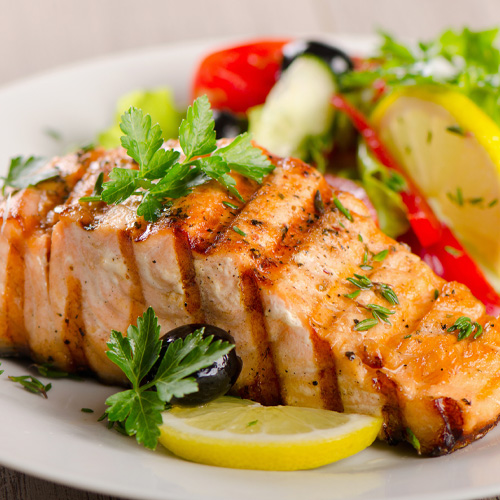
Enjoy This Seasonal Recipe!
Simple Grilled Salmon & Vegetables
Fire up the grill and savor the fresh, bold flavors of this Simple Grilled Salmon & Vegetables recipe—perfect for a light, healthy meal. It’s a quick and delicious way to fuel your body with lean protein and nutrient-packed veggies.
- 1 medium zucchini, halved lengthwise
- 2 red, orange and/or yellow bell peppers, trimmed, halved and seeded
- 1 medium red onion, cut into 1-inch wedges
- 1 tbsp extra-virgin olive oil
- ½ tsp salt, divided
- ½ tsp ground pepper
- 1¼ pounds salmon fillet, cut into 4 portions
- ¼ cup thinly sliced fresh basil
- 1 lemon, cut into 4 wedges
Directions:
Preheat grill to medium-high. Brush zucchini, peppers and onion with oil and sprinkle with ¼ teaspoon salt. Sprinkle salmon with pepper and the remaining ¼ teaspoon salt. Place the vegetables and the salmon pieces, skin-side down, on the grill. Cook the vegetables, turning once or twice, until just tender and grill marks appear, 4 to 6 minutes per side. Cook the salmon, without turning, until it flakes when tested with a fork, 8 to 10 minutes. When cool enough to handle, roughly chop the vegetables and toss together in a large bowl. Remove the skin from the salmon fillets (if desired) and serve alongside the vegetables. Garnish each serving with 1 tablespoon basil and serve with a lemon wedge.
Exercise of the Month
LOWER TRUNK ROTATIONS
Start by lying face up on the floor with your knees bent. Allow your knees to slowly drop to one side. Your lower back should rotate, but your shoulders should stay flat on the ground. Hold for 30 seconds. Bring your knees back up and then drop them to the opposite side.
2 Sets, 2 Reps.
Follow Us on Social Media!

Follow the buttons below to find Atrium Physical Therapy on your favorite social media sites and stay up to date with what happens around our clinic!

HEP stands for “home exercise program.” If you’re undergoing physical therapy with Atrium Physical Therapy there’s a good chance your therapist will prescribe one to you.
It’s important to note that a HEP isn’t the same as an at-home workout program. With an at-home workout, your goal is general fitness. A HEP consists of curated exercises to help you achieve your rehabilitation goals.
We understand that an exercise routine can sometimes be difficult to work into a busy lifestyle. Therefore, we design our HEPs to be as straightforward as possible, with…
- Exercises you’ve done before
- A small time commitment
- Strategies for managing pain, if needed
However, we also want to make sure you understand why we prescribe a HEP at all! In fact, a HEP has multiple benefits:
- It improves outcomes: Patients who complete their prescribed HEP experience faster and more effective rehabilitation.
- It improves muscle memory: This means movements will become easier, and you’ll be able to more easily incorporate additional exercises during your in-clinic sessions.
- It helps develop a good habit: Even after you recover, regular physical activity is essential for good health. By completing your HEP, you get into the habit of moving daily.
In short, a HEP is a small way to make big changes! And if you think you might benefit from a personalized HEP, call us to schedule a consultation.
Meet Our Team
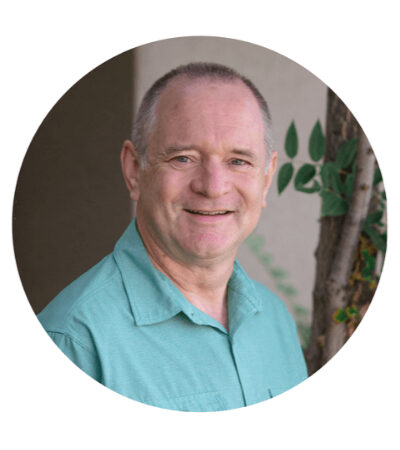
Dennis L. Prickett
PT, Owner, Chief of Operations

Anthony Apodaca
PTA, Clinic Lead

Jacob Robles
PT Tech

Anna Marie Robles
Customer Service Representative
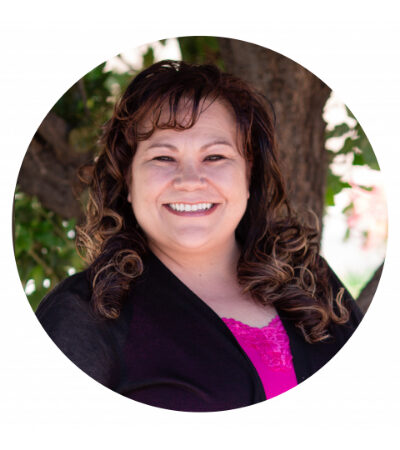
Monique Montoya
Customer Service Representative
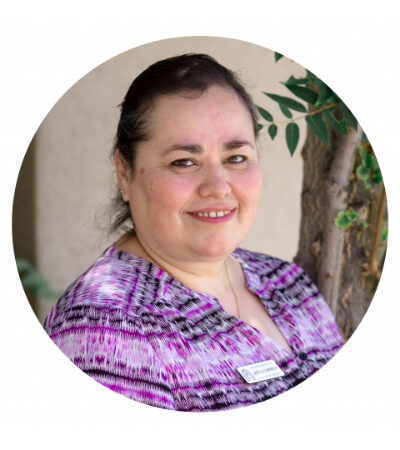
Leticia Guaderrama
Patient Account Specialist
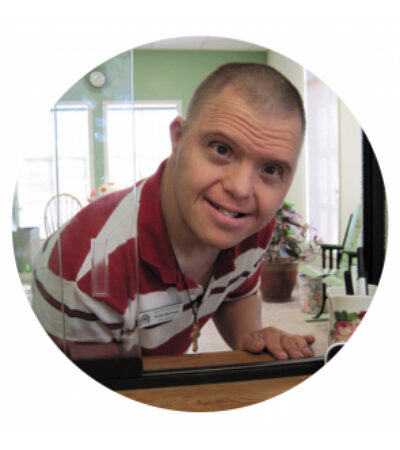
Philip Montoya
Office Assistant

TJ Mallari
PT, DPT