

How a Standing Desk Can Reduce Pain at Work
The back pain started as an occasional discomfort, something Mark attributed to long hours at his desk or perhaps a few restless nights of sleep. However, as time passed, it escalated into something far more insidious. The dull ache in his lower back had evolved into sharp, stabbing pains radiating down his legs, making every step challenging and task grueling. It was affecting not only his work but also his overall quality of life.
Meeting His Physical Therapist
Mark’s first visit was an eye-opener. His therapist conducted a comprehensive evaluation, assessing his posture, range of motion, muscle strength, and any underlying factors contributing to his pain. The therapist listened as Mark described his daily routine and work environment, particularly the long hours spent at his desk.
After the evaluation, his physical therapist explained the findings to Mark. It was evident that his prolonged sitting at work was a significant contributor to his back pain. His posture was less than ideal, and the constant strain on his lower back had led to muscle imbalances and irritation of the nerves in the area. His therapist assured Mark that he could significantly improve his condition with the right approach.
The Power of Ergonomics and Lifestyle Changes
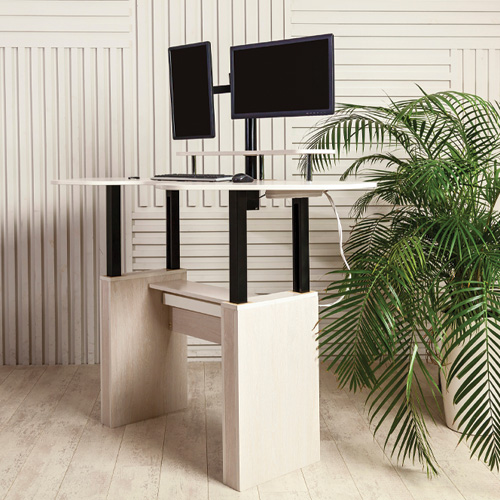
One of his physical therapist’s first recommendations was introducing ergonomic adjustments to Mark’s workspace. She suggested that Mark invest in a standing desk. The idea initially caught him off guard, but the therapist explained that alternating between sitting and standing throughout the workday could alleviate the strain on his back and promote better posture.
Mark decided to try it, and the impact was almost immediate.
The standing desk allowed him to switch positions whenever he felt discomfort creeping in.
He found that he could focus better on his work and that his back pain gradually started to recede.
But his therapist’s guidance continued. She also provided Mark with a list of ergonomic tips for his workspace. She advised him on how to adjust his chair, monitor height, and keyboard placement to ensure his work environment was as back-friendly as possible.
Beyond the office, the therapist emphasized the importance of maintaining an active lifestyle. She recommended specific exercises to strengthen his core and back muscles, explaining that a strong foundation would help support his spine and prevent further pain.
Life-Changing Results
Over the following weeks, Mark diligently followed his physical therapist’s recommendations. He embraced the standing desk and ergonomic adjustments, taking frequent breaks to stretch and move around. He incorporated the prescribed exercises into his daily routine, gradually building his strength and stability.
The results were life-changing. Mark’s back pain, which had once seemed debilitating, faded into the background. He found himself walking without discomfort and even rediscovered the joy of hiking in the nearby nature reserve, a hobby he had long abandoned.
At work, Mark’s productivity improved as his focus sharpened. He realized that investing in his well-being alleviated his pain and enhanced his professional life. The standing desk had become an invaluable tool, allowing him to switch between sitting and standing effortlessly and, in turn, preserving his back health.

Take Control of Your Back Pain Today
Today, Mark’s life has transformed. His experience serves as a reminder that taking proactive steps to address pain can lead to remarkable improvements in one’s quality of life.
If you’re ready to embark on your own path to recovery and well-being, reach out to Atrium Physical Therapy today!

Kids Heading Back to School? Prevent Backpack Back Pain
Between laptops, tablets, and textbooks, heavy backpacks are a reality for students heading back to school this fall. When backpacks are worn incorrectly or overloaded, they can contribute to back pain—especially discomfort in the upper back and shoulders.
The good news? A few simple adjustments can help your child stay comfortable, improve posture, and start the school year feeling their best.
A Healthier Backpack Starts With Smart Habits
Proper backpack fit, lighter loads, and good posture habits can reduce unnecessary strain on your child’s growing spine and help prevent aches throughout the school year.
Find the Right Fit
Choose a backpack that fits your child properly. It should sit comfortably against their back and rest near the hips rather than hanging heavily from the shoulders.
Keep It Lightweight
A backpack should not exceed 10% of your child’s body weight. Use a scale to check that books, devices, and supplies are not creating unnecessary strain.
Encourage Good Posture
Teach your child to stand tall by lifting their chest upward and keeping their spine aligned for healthier posture throughout the day.

Enjoy This Healthy Recipe!
Tomato, Mozzarella & Basil Bruschetta
Fresh tomatoes, creamy mozzarella, fragrant basil, and toasted French bread come together in this classic Italian-inspired appetizer that's perfect for entertaining.
- 1 (32-oz) can whole tomatoes, drained
- 1 cup fresh basil leaves
- 4 tbsp extra-virgin olive oil
- 6 cloves garlic, peeled
- Kosher salt & freshly ground black pepper
- 2 large French baguettes, sliced 1-inch thick (about 36 slices)
- 1 1/2 lbs fresh mozzarella cheese, sliced 1/4-inch thick
Preheat oven to 375 degrees F. In the bowl of a food processor, add drained tomatoes, 1 cup basil leaves, olive oil and 2 cloves garlic. Pulse until smooth, but somewhat chunky. Season with salt and pepper. On a baking sheet, line up baguette slices. Toast in oven for about 3 minutes. Working quickly, rub the remaining garlic on the toasted side of each slice and then lay a piece of mozzarella cheese on top. Place bread back in oven for about 45 seconds. Remove from oven and spread one tablespoon of the tomato mixture on each piece. Place bruschetta on decorative platter and garnish with basil leaves.
Exercise of the Month
BRIDGING
Begin on your back. Bend your knees and keep your back flat on the ground. Gently, contract your abdominals and hold to keep your back flat as you move up into the bridge position. Remember to breathe. Gently, squeeze your butt muscles and lift your hips off the ground. The goal is to have your hips aligned with your knees and shoulders. Hold for 5 seconds.
3 Sets, 10 Reps.
If you are requiring physical therapy, this is the place to . Friendly staff and professional. They explain everything that's going to be covered in each session.
Follow Us on Social Media!

Follow the buttons below to find Atrium Physical Therapy on your favorite social media sites and stay up to date with what happens around our clinic!
Meet Our Team

Dennis L. Prickett
PT, Owner, Chief of Operations

Anthony Apodaca
PTA, Clinic Lead

Jacob Robles
PT Tech

Anna Marie Robles
Customer Service Representative
Monique Montoya
Customer Service Representative
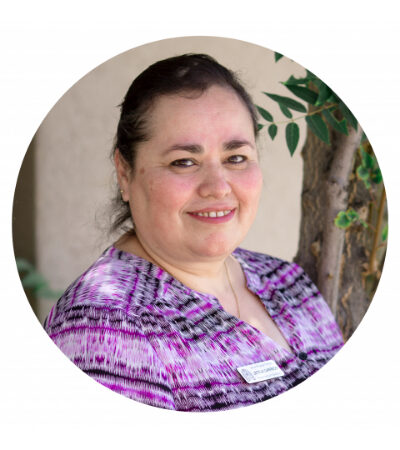
Leticia Guaderrama
Patient Account Specialist
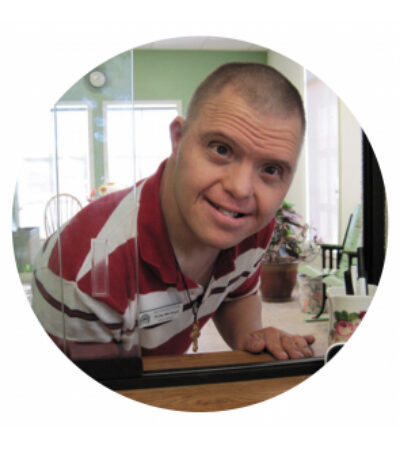
Philip Montoya
Office Assistant

TJ Mallari
PT, DPT
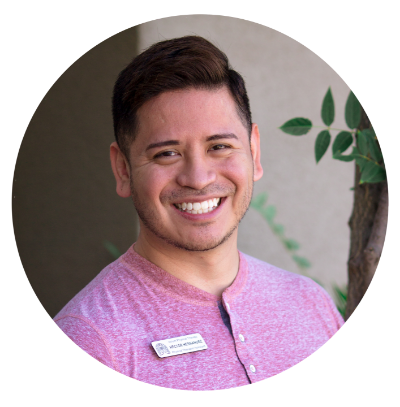
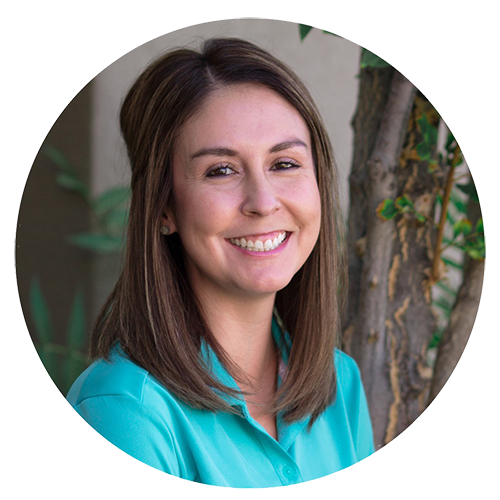

Anastasia Olivares
Customer Service Representative